
The Real Reason Wood Grain Stands Out After Sanding and Refinishing
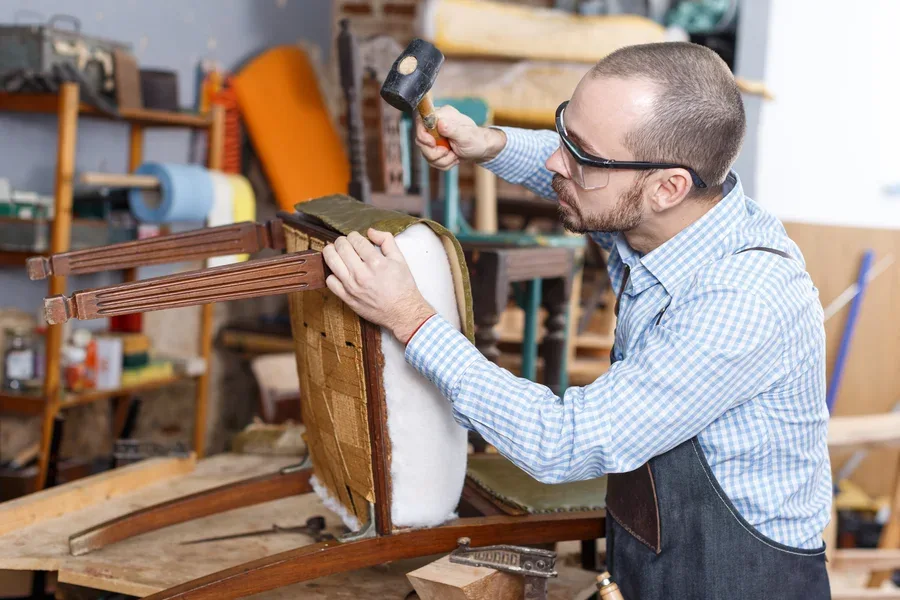
Restoration brings out natural wood grain by removing old finish, dirt, and damage that hide the pattern underneath. When the surface is cleaned, sanded, and sealed the right way, the true lines and color of the wood become clear again. Wood restoration does not add fake detail. It reveals what was already there but covered up over time.
What You Need Before Starting
Before any project begins, it helps to gather the right tools and check the condition of the wood. This applies to furniture, floors, trim, and other pieces. Good prep makes the grain show better in the end.
Basic supplies often include:
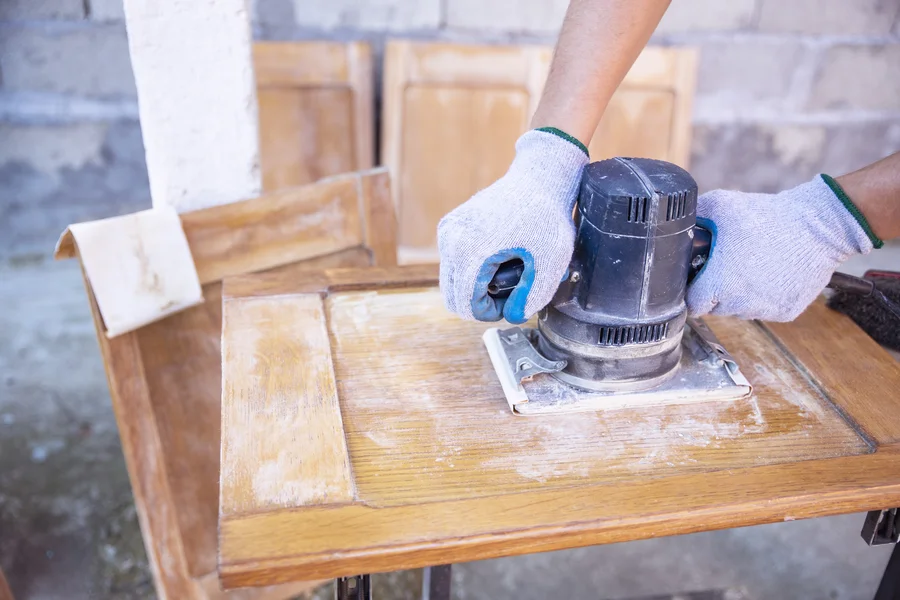
- Sandpaper in different grits
- A sanding block or power sander
- Wood cleaner or mild soap
- Clean rags
- Wood stain, sealer, or clear finish
- Safety gear like gloves and a dust mask
If the wood has deep gouges, water damage, or rot, repairs may be needed first. That can involve filler, board replacement, or more advanced carpentry. In some cases, this falls under a broader home improvement or service category keyword such as general carpentry repair.
Step-by-Step Process to Reveal Natural Grain
Each step builds on the one before it. Skipping steps often leads to dull or uneven results.
- Clean the surface. Remove dust, grease, and grime so sanding is smooth and even.
- Strip old finish if needed. Paint, thick stain, or polyurethane must come off fully.
- Start sanding with medium grit. This removes the top layer and smooths scratches.
- Switch to finer grit sandpaper. This refines the surface and helps the grain stand out.
- Wipe away all dust. Even small particles can affect the final look.
- Apply stain or finish. A clear or lightly tinted product highlights the wood’s natural lines.
- Let it dry and apply a second coat if needed.
Sanding is where the magic happens. As the top layer comes off, the growth rings and patterns become easier to see. Hardwoods like oak and walnut show bold lines. Softer woods like pine show a gentler pattern. Proper wood restoration treats each type differently.
Common Mistakes to Avoid
Small errors can hide the grain instead of showing it.
- Sanding against the grain instead of with it
- Using stain that is too dark and covers detail
- Leaving dust behind before sealing
- Skipping grit levels when sanding
- Applying too much finish at once
Heavy stain is a big problem. Many people think darker means richer. In truth, thick layers can mask natural character. A lighter coat often lets the grain pop more clearly.
When to Call a Professional
Some projects are simple, like a small table or shelf. Others are more complex. Large hardwood floors, historic trim, or heavily damaged doors may need expert care.
You may want professional help when:
- The wood has deep stains or water marks
- There is warping or structural damage
- You are working with antique or valuable pieces
- The area is large and needs even sanding
Professionals use commercial-grade sanders and dust control systems. They also know how different finishes react with each wood species. This makes a big difference in how clearly the grain shows once the job is complete.
Why Proper Technique Makes Such a Difference
Wood is made of long fibers that grow in rings over time. When light hits these fibers, it reflects in unique ways. If the surface is scratched, coated in old varnish, or packed with dirt, light cannot reflect properly. The grain looks flat and lifeless.
Wood restoration smooths the surface and protects it with a finish that enhances natural contrast. Clear sealers soak into the fibers and add depth. Some finishes even add a slight sheen that makes the pattern stand out from different angles.
The result is wood that looks warm and full of life. You see contrast between early and late growth rings. Knots become features instead of flaws. The whole surface looks richer without looking fake.
Bring Your Wood Back to Life
Natural wood grain has character you cannot copy with paint or laminate. With the right sanding, cleaning, and finishing steps, that hidden detail comes back into view. In Oakland, CA, changing weather and everyday wear can dull wood over time. At Sanchez Antique Furniture & Wood Restoration, we restore floors, trim, doors, and furniture with care and skill. If you want your wood to show its true pattern again, call us at (925) 429-6031 and we will be glad to help.