
How to Get Vintage Cabinets Ready Before Any Restoration Begins
If you plan to repair antique cabinets, start by cleaning them gently, emptying all contents, checking for damage, and documenting problem areas. This helps protect fragile wood and makes cabinet repair safer and more effective. Old cabinets need extra care because the wood, joints, and finish may be weak from age. A little preparation can prevent more damage and save time during the repair process.
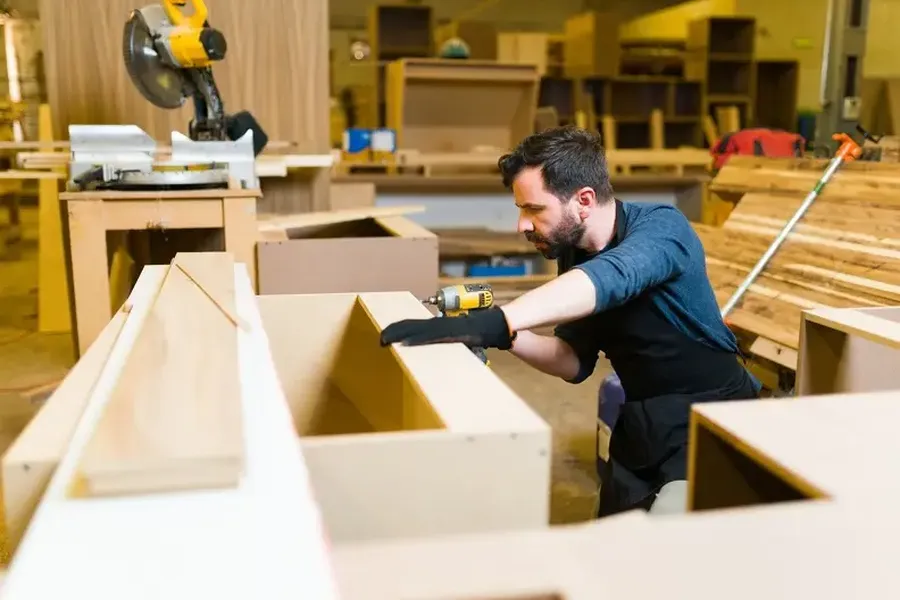
What You Need Before Starting
Before touching the cabinet, gather a few basic supplies. Antique wood can chip or crack easily, so use soft materials and light pressure.
- Soft microfiber cloths
- Mild wood cleaner
- Screwdriver set
- Small containers for screws and hardware
- Painter’s tape and labels
- Notebook or phone for photos
- Drop cloth to protect floors
Pick a clean, dry workspace with good lighting. If possible, move the cabinet away from walls so you can reach the back and sides. In some cases, large built-ins should stay in place. Just clear the area around them.
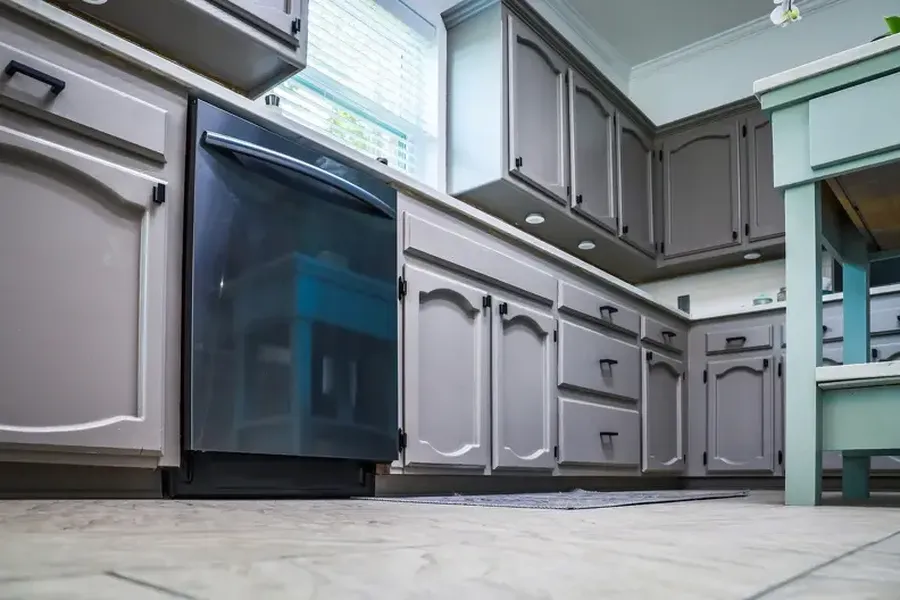
Step-by-Step Preparation Process
Follow these steps to prepare antique cabinets for cabinet repair work:
- Empty the cabinet fully. Remove dishes, decor, and shelf liners. Check drawers for hidden items.
- Remove drawers and shelves. Take them out slowly. Old wood can stick or swell.
- Label all hardware. Place screws and hinges in small containers. Mark where each piece belongs.
- Clean all surfaces gently. Use a damp cloth and mild cleaner. Avoid soaking the wood.
- Inspect for damage. Look for cracks, loose joints, warped panels, or signs of pests.
- Take clear photos. Document scratches, stains, and missing trim. This helps during reassembly.
- Protect nearby areas. Lay down a drop cloth. Tape off walls if sanding may happen.
These steps create a safe starting point for cabinet repair. They also help your repair team understand the full condition of the piece.
Common Mistakes to Avoid
Many people rush into repairs without preparing first. That can cause more harm than good.
- Using harsh chemical cleaners that strip original finish
- Forcing stuck drawers open
- Mixing up screws and hardware
- Sanding before checking wood thickness
- Ignoring signs of old wood glue failure
Antique cabinets are not like modern factory-built units. The wood is often solid and handmade. Repairs should protect that craftsmanship. If the cabinet is part of kitchen remodeling, preparation is even more important so surrounding surfaces stay protected.
When to Call a Professional
Some repairs go beyond simple tightening or cleaning. If you notice structural movement, severe wood rot, or hand-carved details coming loose, professional cabinet repair may be the safer choice.
You should also seek help if:
- The cabinet has water damage from old leaks
- Doors no longer align with the frame
- The finish is cracking heavily
- You suspect termite or pest damage
- The piece has historical or high financial value
Professionals use special clamps, fillers, and color-matching products made for antique wood. They can stabilize joints without replacing original parts. This keeps the cabinet authentic and strong.
Final Thoughts Before Repair Begins
Taking time to prepare antique cabinets makes every repair step smoother. Cleaning, labeling, and inspecting might seem simple, but these early actions protect the cabinet’s age and character. Whether the piece is a family heirloom or part of a larger restoration project, proper preparation prevents surprises and keeps the repair plan clear.
Get Expert Help With Your Antique Cabinets
If you need reliable cabinet repair in Oakland, CA, our team at Sanchez Antique Furniture & Wood Restoration is ready to help. We handle antique cabinets with care and respect for their history. We take time to prep each piece the right way before any work begins. Call us at (925) 429-6031 to schedule an evaluation and let us restore your cabinets safely and properly.